
Conflict-Free Coltan & Tantalite Suppliers — DRC and the Great Lakes
Columbite–tantalite ore · Ta₂O₅ assayed · conflict-free documentation
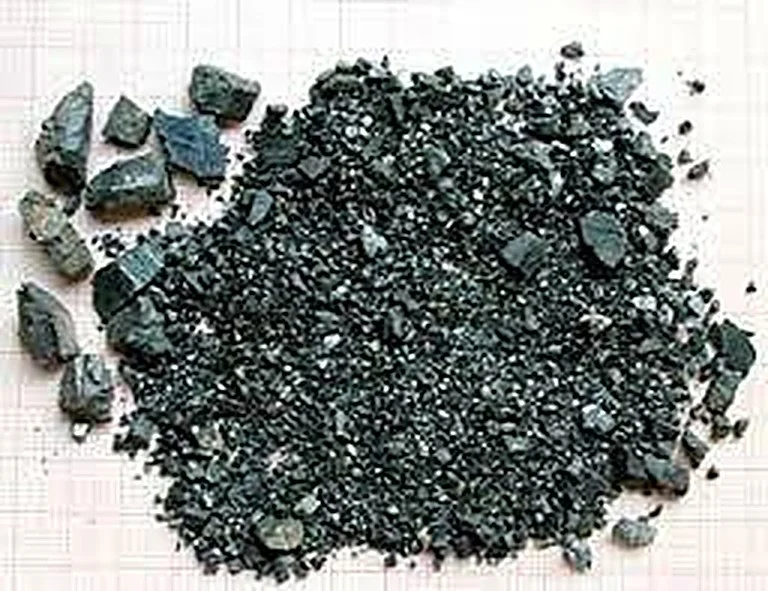
Coltan — columbite–tantalite — is the principal ore of tantalum and niobium, and the Great Lakes region of Central Africa is among the world’s most significant sources. Tantalum is essential to capacitors in electronics, to superalloys and to medical devices, which makes both the material and its provenance commercially sensitive.
SokoDolla supplies coltan and tantalite to processors and traders, sourced from verified producers in the Democratic Republic of the Congo and the wider Great Lakes region. We verify the counterparty and its licences, arrange independent assay of Ta₂O₅ content, and confirm that the material carries valid ICGLR regional certification.
Coltan is a designated conflict mineral. No responsible buyer should accept material without traceable certification, and no serious supplier should offer it. Verification of the documentation is not optional diligence in this trade; it is the precondition of the transaction.
Specification & Commercial Terms
| Product | Coltan — columbite–tantalite ore concentrate |
|---|---|
| Ta₂O₅ content | Typically 20% – 40% Ta₂O₅ (lot-specific, per assay) |
| Associated content | Niobium (Nb₂O₅) assayed and priced separately where present |
| Origin | DR Congo and the Great Lakes region |
| Certification | ICGLR Regional Certification Mechanism — conflict-free documentation |
| Packing | Sealed and numbered bags, tagged per the traceability scheme |
| Loading port | Dar es Salaam, Tanzania (also Mombasa) |
| Pricing basis | Per percentage point of contained Ta₂O₅, against the prevailing market |
| Typical destinations | China, South Korea, Japan, India, Turkey, UAE and the European Union |
| Inspection | Independent laboratory assay; tag and seal verification at loading |
Specifications are indicative and confirmed lot by lot. Final grade and quantity are governed by the independent assay at loading Port.
What We Verify Before You Commit
We verify the counterparty, applicable licences, authority to sell, product documentation and independent inspection requirements before a buyer commits. Every engagement follows the SokoDolla Verification Standard.
Conflict-Free Sourcing: The Frameworks Your Compliance Team Will Ask About
Coltan is one of the 3TG minerals — tin, tungsten, tantalum and gold — and any buyer whose customers file conflict-minerals reports will be measured against a specific set of frameworks. We supply against all of them, and we say plainly which ones issue a certificate and which do not.
The OECD Due Diligence Guidance for Responsible Supply Chains of Minerals from Conflict-Affected and High-Risk Areas is the framework the others sit on. It sets out five steps and the Annex II risks a company must identify and manage when sourcing from a CAHRA. Eastern DR Congo is a CAHRA, so the question is never whether risk exists; it is whether it has been identified, mitigated and documented.
The ITSCI Programme provides traceability and due diligence for 3T minerals on the ground in the DRC, Rwanda, Burundi and Uganda. Material is tagged at the mine site and the tags are recorded through each transfer, producing the chain of custody a downstream smelter expects. Since 1 May 2026 the programme has been administered by The ITSCI Organisation, following transfer from the International Tin Association.
The ICGLR Regional Certification Mechanism issues the regional certificate that accompanies an export consignment, confirming the mine of origin and that the chain of custody was maintained.
On the buyer side, EU importers are covered by Regulation (EU) 2017/821, in force for importers since 1 January 2021, and US SEC filers by Dodd-Frank Section 1502. Both require supply-chain due diligence consistent with the OECD Guidance rather than a particular certificate.
One distinction worth being precise about: under the Responsible Minerals Assurance Process (RMAP), smelters and refiners are validated as conformant — no certificate of a conflict-free supply chain is issued to anyone, by anyone. A supplier offering you a "conflict-free certificate" for a lot of ore is describing something that does not exist. What does exist, and what we provide, is an ICGLR certificate, ITSCI tag records, mine-of-origin documentation and an assay, which together let your compliance team complete its own due diligence.
What Travels With Every Coltan Lot
Each consignment is supplied with the ICGLR regional certificate, ITSCI tag numbers reconciled against the bags presented, the exporter licence and mining title for the site of origin, an independent Ta₂O₅ and Nb₂O₅ assay, a certificate of non-radioactivity where the destination requires one, packing list and weight certificate, and the export permit.
We verify certificates directly with the issuing authority rather than accepting a scanned copy, and we check that the tags and seals on the physical bags correspond to the documentation presented. Each lot is confirmed to reconcile before it ships.
Where a buyer needs to complete a Conflict Minerals Reporting Template (CMRT) or a reasonable country of origin inquiry (RCOI), the documentation set is assembled to support it.
ICGLR Certification and Why It Matters
The International Conference on the Great Lakes Region operates a Regional Certification Mechanism for tantalum, tin, tungsten and gold. Under it, material is tagged at licensed mine sites, recorded through the chain of custody, and issued with a regional certificate before export.
For a buyer, that certificate is the document that makes the material saleable downstream. Electronics and component manufacturers subject to conflict-minerals reporting will require evidence of origin, and material without valid certification is effectively unsellable into those supply chains regardless of its assay.
We verify every certificate directly with the issuing authority rather than accepting a scanned copy, and we check that the tags and seals on the physical bags correspond to the documentation presented. Each lot is confirmed to reconcile before it ships.
Documentation Per Consignment
A complete document set is a condition of every shipment we support. Each item below is verified rather than accepted at face value.
- ICGLR Regional Certificate for the specific consignment
- Mine-site traceability documentation and bag tag records
- Mining, trading and export licences
- Certificate of Origin issued by the competent authority
- Independent certificate of analysis stating Ta₂O₅ and Nb₂O₅ content
- Export permit and mineral export authorisation
- Signed commercial invoice, packing list and Bills of Lading
Frequently Asked Questions
What Ta₂O₅ grade is typical for Great Lakes coltan?
Material commonly assays between 20% and 40% Ta₂O₅, with associated niobium present in most lots. Grade is confirmed lot by lot by independent laboratory assay, and pricing follows the assayed contained tantalum.
How is coltan priced?
Coltan is priced per percentage point of contained Ta₂O₅ against the prevailing market for tantalum units, adjusted for niobium content and impurities. There is no exchange settlement price, so the reference basis is agreed and stated in the contract.
Is ICGLR certification always required?
For material originating in the Great Lakes region, yes in practice. Buyers supplying electronics and component manufacturers require evidence of conflict-free origin, and uncertified material cannot enter those supply chains. We will not proceed with a consignment that lacks valid certification.
How do you verify that a certificate is genuine?
We verify the certificate with the issuing authority directly rather than relying on the copy supplied by the seller, and we reconcile the traceability tags and seals on the physical bags against the certificate and chain-of-custody records at inspection.
Is coltan from the DRC conflict-free?
It depends entirely on the mine site and the chain of custody, not on the country. Eastern DR Congo is a conflict-affected and high-risk area under the OECD Guidance, and material from licensed sites inside the ITSCI traceability programme carrying an ICGLR regional certificate is accepted into downstream supply chains, while untagged material from uncontrolled sites is not. We supply only from ITSCI-covered sites with valid ICGLR certification, verified with the issuing authority before shipment.
What is ITSCI tagging and why does a buyer care?
ITSCI is the traceability and due diligence programme for tin, tantalum and tungsten operating on the ground in the DRC, Rwanda, Burundi and Uganda. Material is tagged at the mine site and each tag is recorded through every transfer, producing the chain of custody a smelter needs to accept the lot. Without tag records a buyer cannot demonstrate origin, and most conformant smelters will decline the material regardless of its Ta₂O₅ grade.
Does your coltan satisfy the EU Conflict Minerals Regulation and Dodd-Frank?
Regulation (EU) 2017/821 has applied to EU importers of 3TG since 1 January 2021, and Dodd-Frank Section 1502 applies to US SEC filers. Neither requires a specific certificate; both require due diligence consistent with the OECD Guidance. We supply the ICGLR certificate, ITSCI tag records, mine-of-origin documentation, exporter licence and independent assay that allow an importer to complete and evidence that due diligence.
Can you provide a conflict-free certificate for the lot?
No one can, and a supplier offering one is describing a document that does not exist. Under the Responsible Minerals Assurance Process (RMAP), smelters and refiners are validated as conformant; no entity certifies a supply chain or an individual consignment as conflict-free. What we provide is the ICGLR regional certificate, ITSCI tag numbers reconciled against the physical bags, mine-of-origin and licence documentation and an independent assay — the evidence set your compliance team uses to reach its own conclusion.
Sourcing by Country & Current Pricing
Verified supplier pages by origin, plus how copper is priced against the LME today.
Copper Suppliers in Zambia
Verified Copperbelt exporters — cathodes, concentrate and wire.
Open pageCopper Suppliers in DRC
Verified Katanga exporters with CAMI and ICGLR checks.
Open pageCopper Price Today
LME basis, premiums and the concentrate price-per-ton formula.
Open pageExport Logistics
Dar es Salaam, Durban and Lobito corridors, Incoterms 2020.
Open pageOther Commodities We Source
Cobalt
Battery-chain feedstock · responsible-sourcing checks · Co% assayed
View detailsGold
Genuine, licensed gold sellers · Tanzania · DR Congo · Zambia · Kenya · Uganda · independently assayed
View detailsCopper Concentrate
Sulphide & oxide concentrate · priced on payable copper, DMT basis
View detailsTell Us What You Need
Send us your specification, tonnage and delivery terms. We respond with a quotation, the verification scope, and clear next steps — no obligation.

