
Copper Export Logistics & Transport from Zambia & DRC
We coordinate multimodal logistics for copper cathodes, concentrate and wire — inland haulage from the Copperbelt and Katanga, port handling at Dar es Salaam, Durban and Lobito, containerisation, insurance and the full export document pack, under Incoterms 2020.
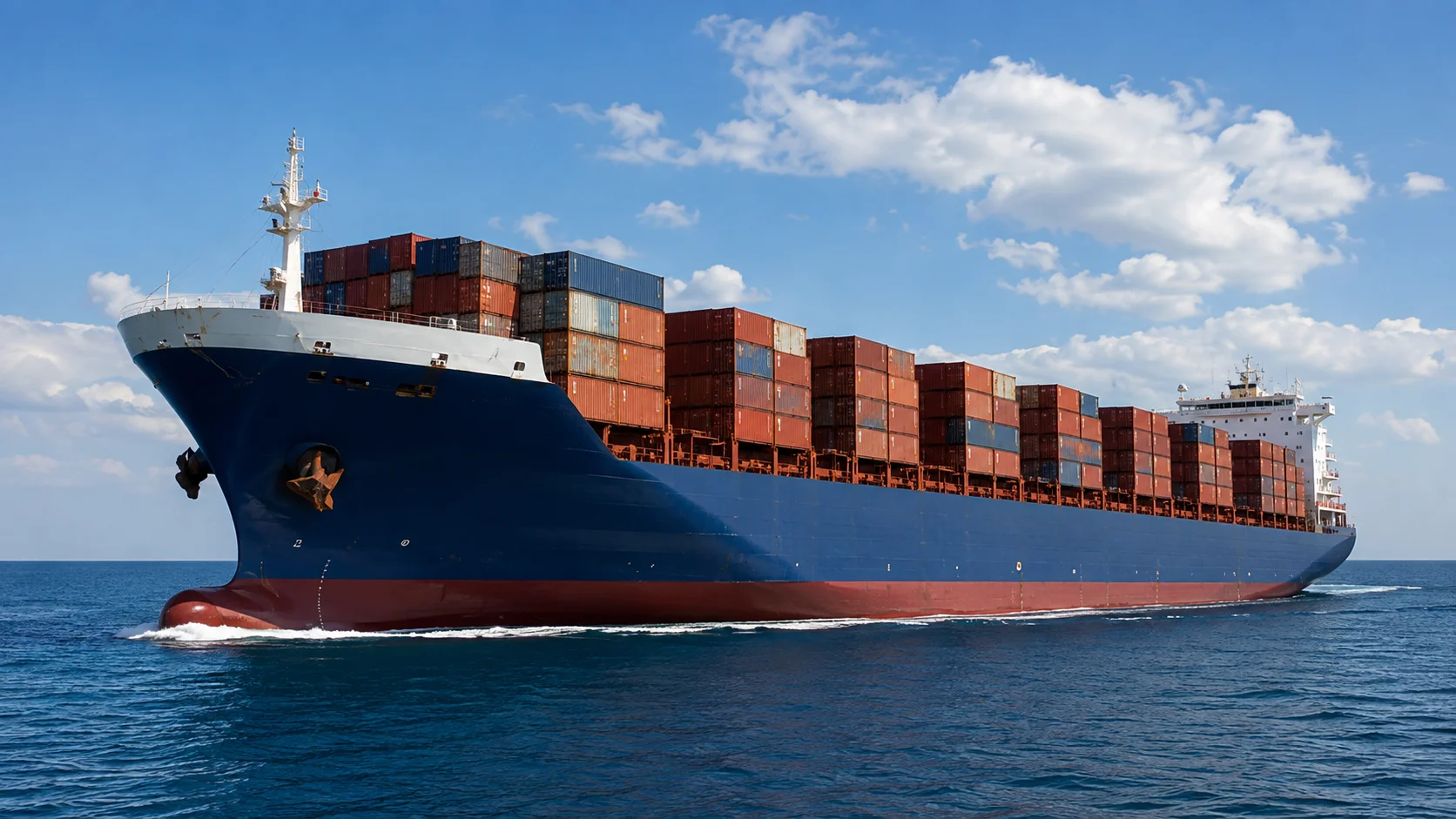
Three Routes Out of the Copperbelt
The right corridor depends on the lot location, cargo type and destination — we plan it per transaction, not by default.
Dar es Salaam Corridor
The primary gateway for Zambian and DRC copper heading to Asia and the Middle East. Road and TAZARA rail from the Copperbelt/Katanga into Tanzania, with bonded warehousing available at port for consolidation and inspection.
Durban Corridor
The southern route through Zimbabwe and Botswana into South Africa, serving transatlantic and European destinations with deep-water capacity and dense carrier schedules.
Lobito Atlantic Corridor
The rehabilitated Benguela railway from the Katanga copper belt through Angola to the Atlantic — the shortest western route for DRC cargo, increasingly used for concentrate trains.
What the Logistics Engagement Covers
Inland haulage by tracked truck fleets and TAZARA rail from mine or warehouse to port.
Container packing: 20ft FCL (~20–25 MT), steel-strapped cathode bundles, FIBC bags for concentrate, desiccant and anti-tamper seals.
Port handling, customs clearance and bonded warehousing at Dar es Salaam, Durban or Lobito.
Ocean freight booking with global carriers (Maersk, MSC, CMA CGM) under FOB, CFR or CIF terms.
Marine cargo insurance and pre-shipment/loading inspection through SGS, Bureau Veritas, Alfred H Knight or Alex Stewart.
The complete export document pack: Bill of Lading, Certificate of Origin, assay and weight certificates, export permits and ICGLR certification for DRC cargo.
Logistics only protects a buyer when the cargo itself is real — which is why every shipment plan sits on top of supplier verification and independent inspection. Sourcing from a specific origin? Start at copper suppliers in Zambia or copper suppliers in DRC.
Request a shipment plan
Three required fields. Enough to plan a route — no specification, grade or payment detail needed at this stage.
No obligation. Treated as confidential.
Transport & Shipping Questions
How is copper transported from Zambia and the DRC to the port?
Inland haulage runs by tracked heavy truck fleets and the TAZARA railway corridor. The main routes are: Copperbelt/Katanga to the Port of Dar es Salaam (Tanzania) serving Asia and the Middle East; south through Zimbabwe/Botswana to the Port of Durban (South Africa) for transatlantic routes; and the Lobito Atlantic rail corridor through Angola. Route choice depends on lot location, cargo type, congestion and destination.
How is copper packaged for export shipment?
Cathodes are bundled in steel-strapped lots of roughly 2.0–2.5 MT and loaded into 20ft FCL containers (~20–25 MT per container) with desiccant protection and anti-tamper customs seals. Concentrate moves in 1.0–1.5 MT FIBC bulk bags in containers, or as breakbulk/bulk for large tonnages. Ocean carriage is via global carriers including Maersk, MSC and CMA CGM.
Which Incoterms do you support?
Transactions are structured under Incoterms 2020 — typically FOB (buyer controls ocean freight from the load port), CFR or CIF (seller side arranges carriage, CIF adds insurance) and EXW for buyers with their own forwarding. The Incoterm, load port and discharge port are fixed in the contract and reflected in the quotation.
How long does shipping take from Dar es Salaam or Durban?
Indicative ocean transit times: Dar es Salaam to major Asian ports roughly 18–30 days; Durban to Europe roughly 20–30 days; transatlantic routes 25–40 days depending on rotation. Inland haulage from the Copperbelt or Katanga to port typically adds 5–14 days including border crossings. Exact schedules are confirmed with the carrier booking.
What export documents accompany a copper shipment?
A complete document pack normally includes the commercial invoice, packing list, Bill of Lading, Certificate of Origin, independent assay/quality certificate (SGS, Alfred H Knight, Bureau Veritas or Alex Stewart), weight certificate, export permit from the origin country, and for DRC-origin cargo the ICGLR conflict-free certificate. Documents are checked against the physical cargo before settlement milestones release.
Is cargo insured in transit?
Yes — under CIF the seller side provides marine insurance to the discharge port; under FOB/CFR the buyer arranges cover. We recommend all-risks marine cargo insurance from loading through discharge, and inspection at both the loading point and destination so any claim is supported by independent evidence.

