
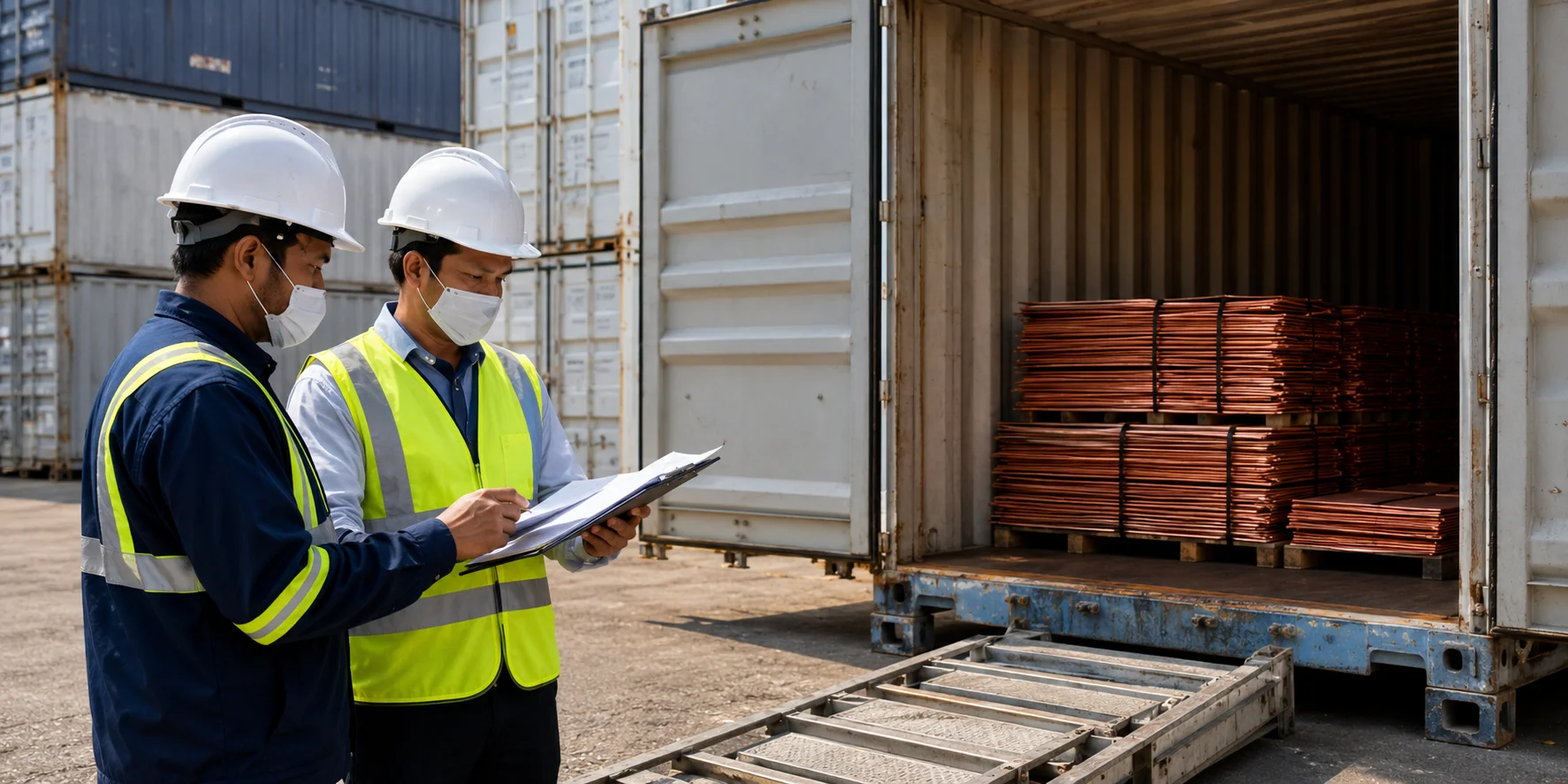
What “Verified Supplier” Actually Means Here
The word is used loosely in commodity trading. It often means a company paid for a listing, or holds a certificate that nobody checked, or simply that someone in the chain vouched for them.
For us it means four specific things were confirmed with the organisation that issued them, and documented, before a buyer was introduced. Where any of them cannot be confirmed, we say so and the counterparty does not reach your shortlist.
These four pillars sit inside the SokoDolla Verification Standard — seven published checks applied to every supply channel, including the warehouse position of copper held in bonded and private facilities at Dar es Salaam and on the Copperbelt.
Legal standing
Company registration confirmed with the registry that issued it — PACRA in Zambia, RCCM in the DRC, BRELA in Tanzania — together with directors, shareholding and good standing.
Licence and authority to sell
Mining, trading or export licence checked against the public cadastre (Zambia Mining Cadastre, DRC CAMI) and, where the seller is not the licence holder, the written authority to sell that specific lot.
The material itself
Physical stock sighted at a named warehouse, with independent sampling and assay through SGS, Alfred H Knight, Bureau Veritas or Alex Stewart. A photograph and a PDF are not evidence of ownership.
Ability to execute
Export permits, corridor and port capacity, documentary readiness, and the warehouse position of the lot — bonded or private facilities at Dar es Salaam and on the Copperbelt — confirmed with the parties that hold it.
Confidentiality runs both ways. Supplier identities and verification files are shared with a buyer working on a real requirement, never published. Your requirement, tonnage and destination are treated the same way.
Verified Supply Channels
Each category carries its own verification requirements, pricing basis and export route. Select one for the detail.
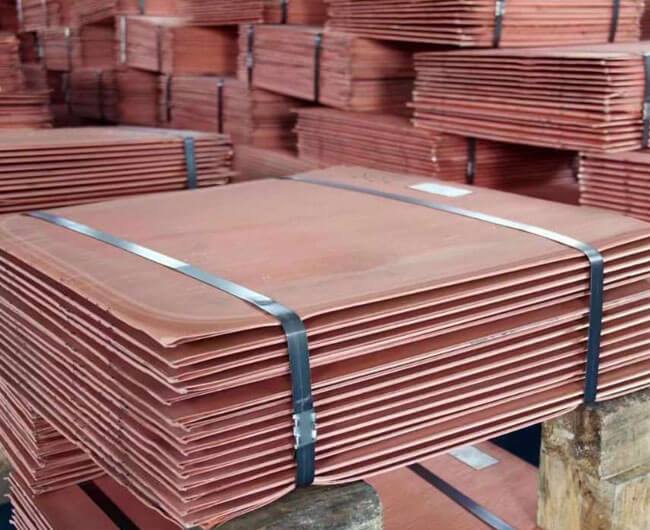
Industrial metals
Copper Cathodes
LME Grade A, 99.99% Cu-CATH-1 equivalent, from verified Copperbelt and Katanga channels. Brand, lot and licence confirmed before engagement.
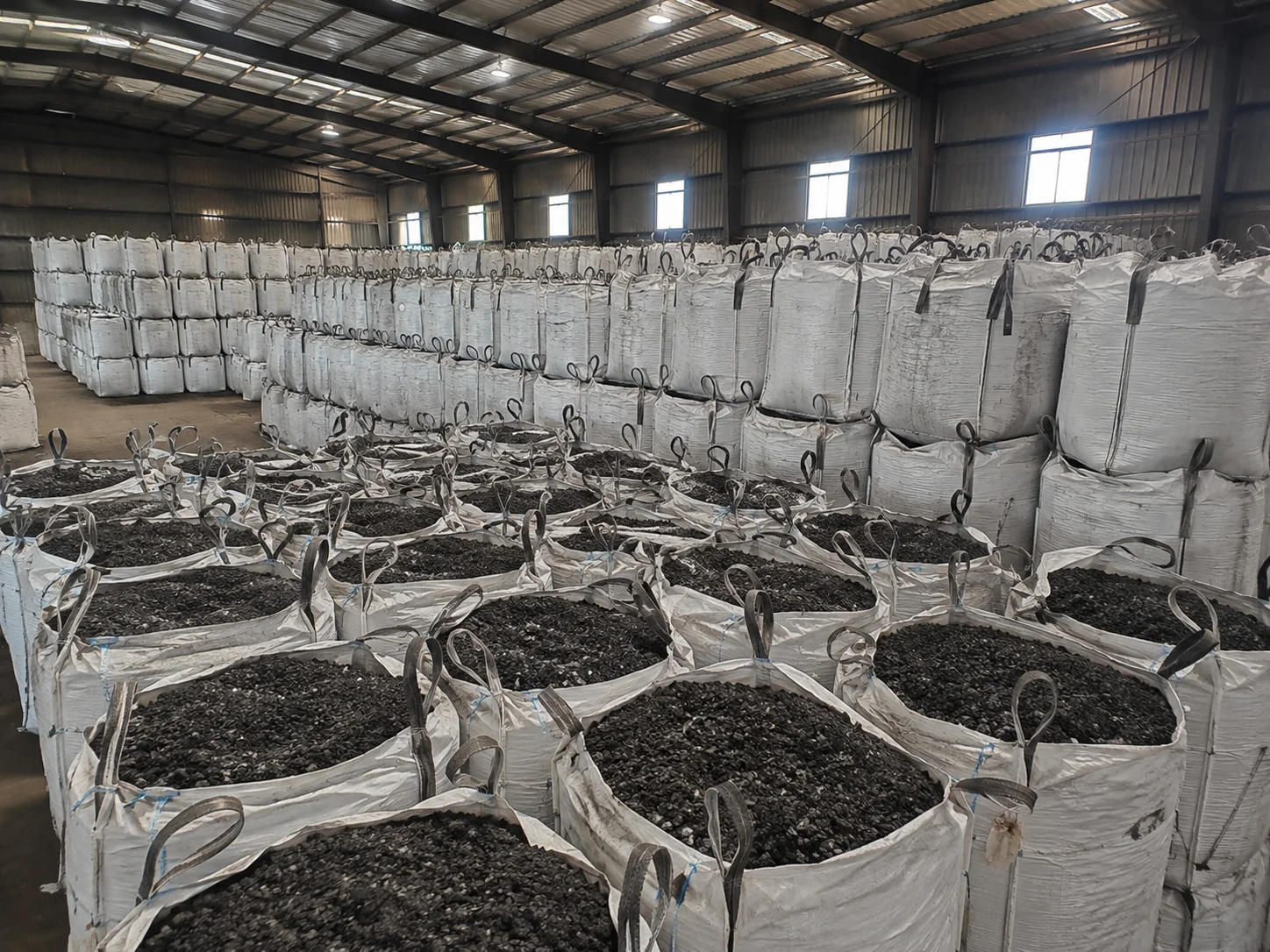
Industrial metals
Copper Concentrate
20–45% Cu on a dry metric tonne basis, with payable copper, treatment and refining charges and penalty thresholds stated in the offer, not after it.
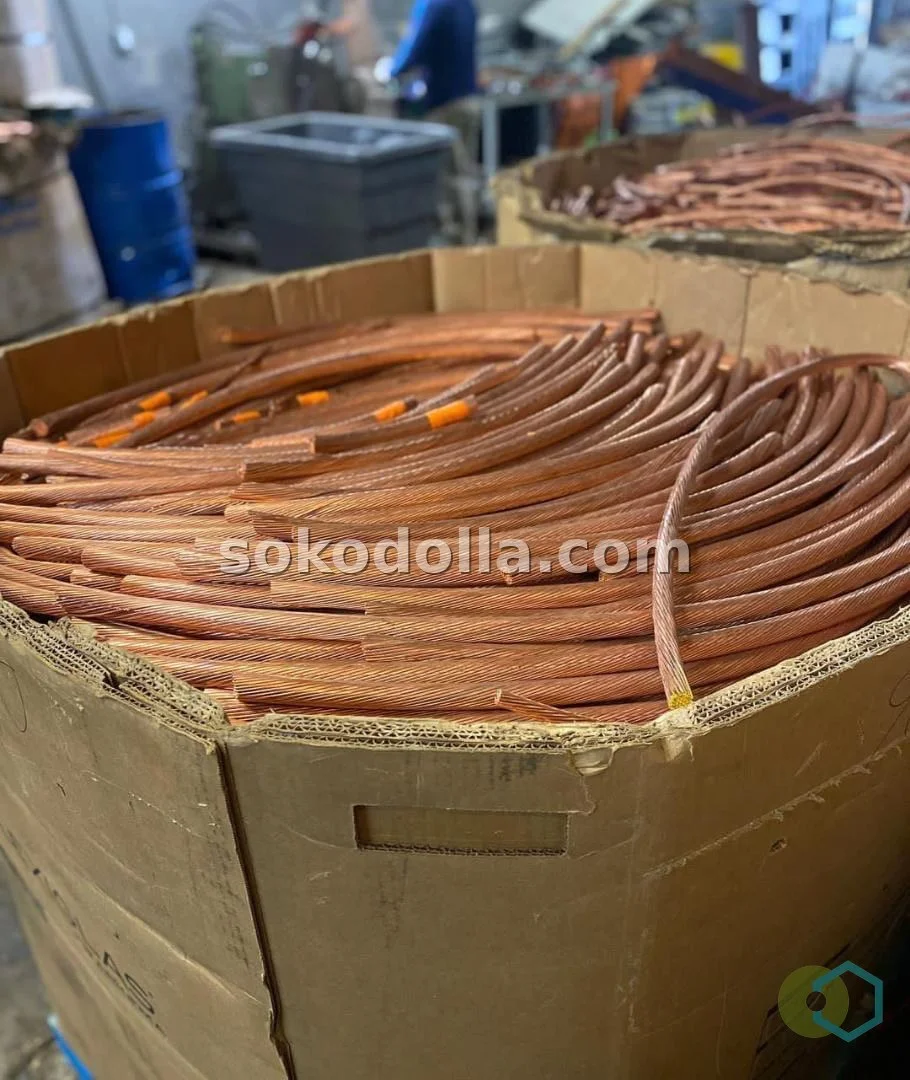
Industrial metals
Copper Wire & Millberry Scrap
Bare bright 99.9% Millberry and ISRI Berry, Birch and Candy grades, with grade verified during container stuffing rather than on arrival.
Battery metals
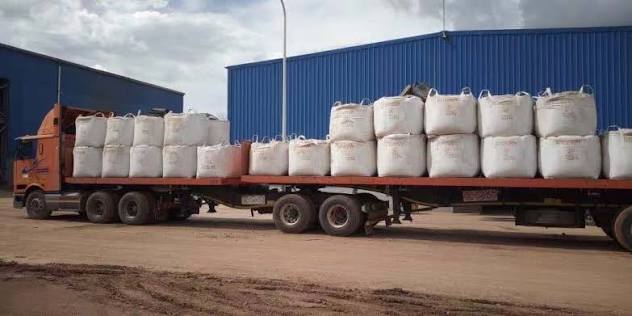
Cobalt Hydroxide & Concentrate
Katanga-origin cobalt with CAMI licence verification, ICGLR documentation review and assay confirmation before any commitment.
Strategic minerals
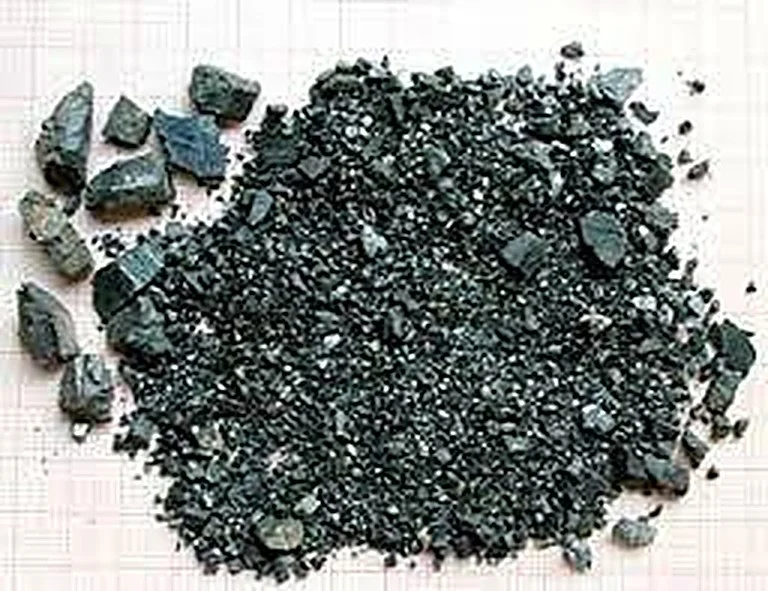
Coltan & Tantalite
Columbite-tantalite assessed on Ta₂O₅ content, with conflict-free certification and origin traceability checked against the issuing body.
Precious metals
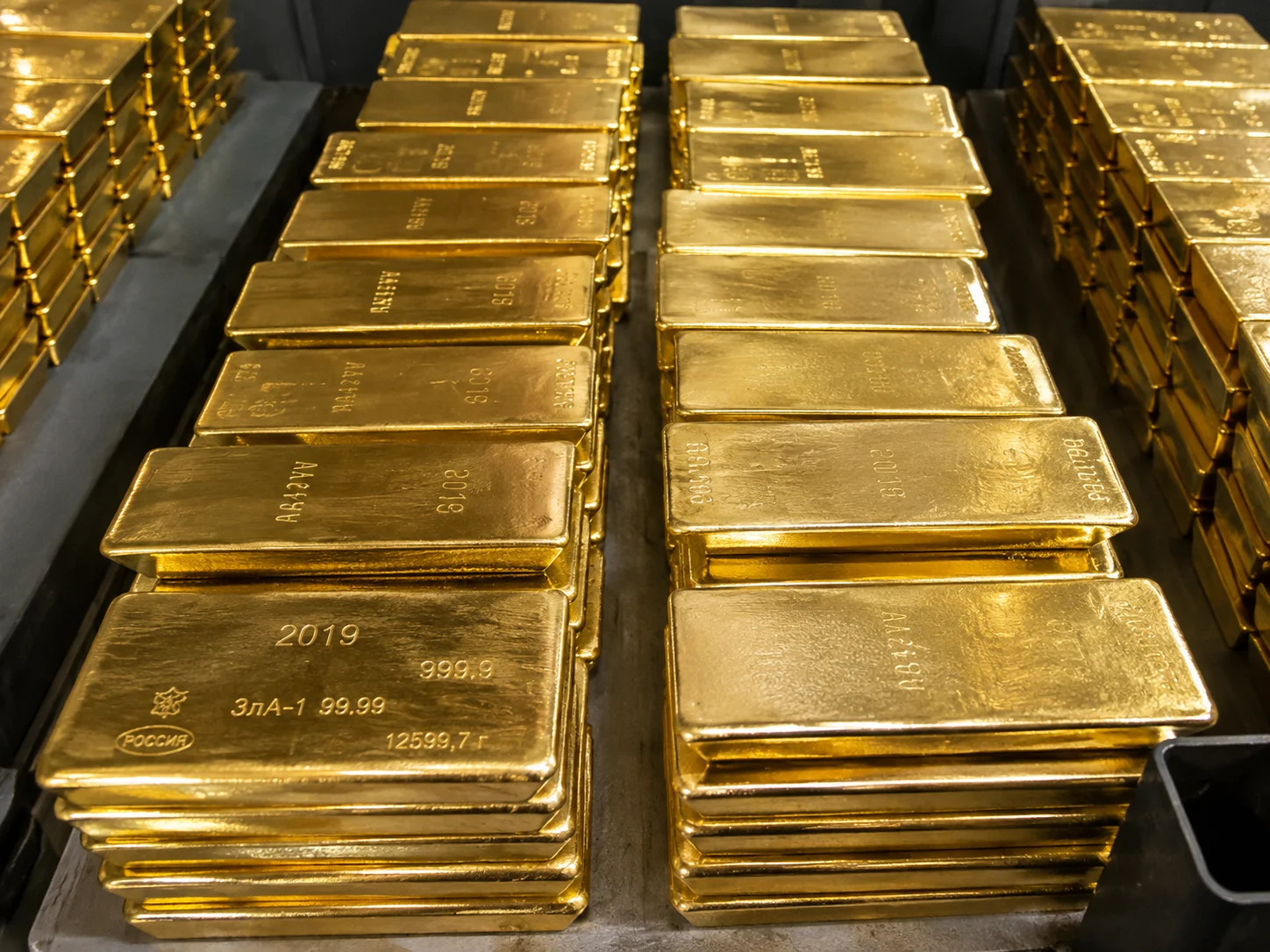
Gold & Doré
Doré bars settled on independent assay rather than a stamped figure, with licence, export permit and origin documentation verified at source.
Availability depends on origin, tonnage, destination and delivery terms. See the full product range.
How Buyer Access Works
Seven steps from first enquiry to loaded cargo. The counterparty is verified at step three and the warehouse position at step four — both before commercial terms are agreed.
- 01
Submit your requirement (RFQ)
Send the product and specification, grade, monthly and total tonnage, destination port, Incoterm and the payment structure you intend to use. A Letter of Intent on your letterhead speeds things up but is not required to open an enquiry.
- 02
Requirement review
We confirm the request is commercially coherent — that the grade, tonnage, delivery basis and payment structure are internally consistent and achievable from the origin you are asking about.
- 03
Supply-side matching and verification
Your requirement is matched against supply channels, and the counterparty is verified: registration with the issuing registry, licence status on the cadastre, authority to sell the lot, and physical stock at a named warehouse.
- 04
Warehouse position confirmed
The lot is located in bonded or private warehousing — Dar es Salaam or the Copperbelt — and its warehouse entry, customs status, lot identification and authority to sell are confirmed with the parties that hold them. Independent sampling and assay are arranged at the point the transaction structure allows.
- 05
Verified shortlist and Full Corporate Offer
You receive a shortlist with the verification findings attached, and an FCO from the selling entity stating specification, quantity, pricing formula and quotational period, Incoterm, schedule, inspection arrangements and validity.
- 06
Contract and payment instrument
Terms are recorded in a Sale and Purchase Agreement under Incoterms 2020. The documentary letter of credit or staged payment structure is issued against the SPA, and Proof of Product follows the contractual sequence.
- 07
Inspection, loading and documents
Independent sampling, assay and weighing at the loading point, then the export document pack — Bill of Lading, Certificate of Origin, assay and weight certificates, export permits — checked against the physical cargo before settlement milestones release.
Minimum information to open a review
- Product, grade and specification
- Monthly tonnage and contract duration
- Destination country and discharge port
- Incoterm — FOB, CIF, CFR or FCA
- Payment structure and issuing bank
- Target start date
What We Examine Before an Introduction
The purpose is to find where a transaction would break, before you have spent anything on it.
Seller profile
Whether the counterparty is the producer, an authorised agent or a licensed trader holding the stock — and which of those they can evidence.
Supply relationship
The route from the mine or smelter to the seller, and whether the claimed access is supported by a document the issuing party would recognise.
Commercial terms
Specification, quantity and tolerance, pricing formula, quotational period, Incoterm, destination and delivery schedule.
Banking structure
The proposed instrument, issuing bank, confirmation requirements and whether the seller will actually accept it as offered.
Logistics and compliance
Export feasibility from origin, corridor and port capacity, inspection arrangements and destination requirements.
Where the deal would break
The fixed conditions, documentary expectations and refusal triggers that would stop the transaction — identified before you spend on it, not after.
This is qualification, not a guarantee. It removes the failure modes that can be known in advance. It cannot underwrite the future conduct of a seller, bank, carrier or terminal, and we will not pretend otherwise. See how the due diligence engagement works.
Verified Suppliers: Key Questions
What does a verified commodity supplier actually mean?
It means the counterparty has been checked against the bodies that issued its paperwork, not that it appears in a directory or holds a generic certificate. Specifically: company registration confirmed with the registry, licence status confirmed on the public mining cadastre, written authority to sell the particular lot, physical stock sighted at a named warehouse, and material confirmed by independent assay.
How do you verify a supplier in Zambia or the DRC?
In Zambia, company registration is confirmed with PACRA and licence status on the Zambia Mining Cadastre. In the DRC, registration is confirmed through RCCM and licences through the CAMI cadastre, alongside export permits and conflict-free documentation. In Tanzania, BRELA and the Mining Commission are the reference points. Assay and stock are confirmed physically, through SGS, Alfred H Knight, Bureau Veritas or Alex Stewart.
Do you publish a public list of your suppliers?
No. Supplier identities, verification files and commercial terms are shared with a buyer working on a specific requirement, not published. A public list would be copied and recirculated within days, which is precisely how unverified offers spread in this trade.
What do I need to provide to start?
Product and specification, grade, tonnage and contract duration, destination country and discharge port, the Incoterm you want, and the payment structure you intend to use. A Letter of Intent and company profile help but are not required to open an enquiry.
When is Proof of Product provided?
After the Sale and Purchase Agreement is signed and the payment instrument is confirmed or the first milestone funded. A seller who publishes full POP to any enquirer is usually recirculating another company’s documents. Before that point we can share the verification findings, warehouse evidence and assay position we have confirmed ourselves.
Does verification guarantee the transaction will complete?
No, and any firm claiming otherwise is overselling. Verification removes the failure modes that are knowable in advance — a counterparty that does not exist, a licence that lapsed, stock that was already sold, an assay that no laboratory issued. It cannot guarantee the future conduct of a seller, a bank, a carrier or a terminal.
Will you work with agents and intermediaries?
Yes, where the role is clear and the relationship with the buyer, seller or supply source can be evidenced. What we will not do is work through an undocumented chain of intermediaries passing along an offer that none of them can trace to a licence holder.
Have a Requirement to Review?
Send the product, tonnage, destination and delivery terms. We come back with verified supply and the findings behind it.

