Buy Gold from Verified Suppliers in Africa — Bars, Nuggets & Doré
Genuine, licensed gold sellers · Tanzania · DR Congo · Zambia · Kenya · Uganda · independently assayed
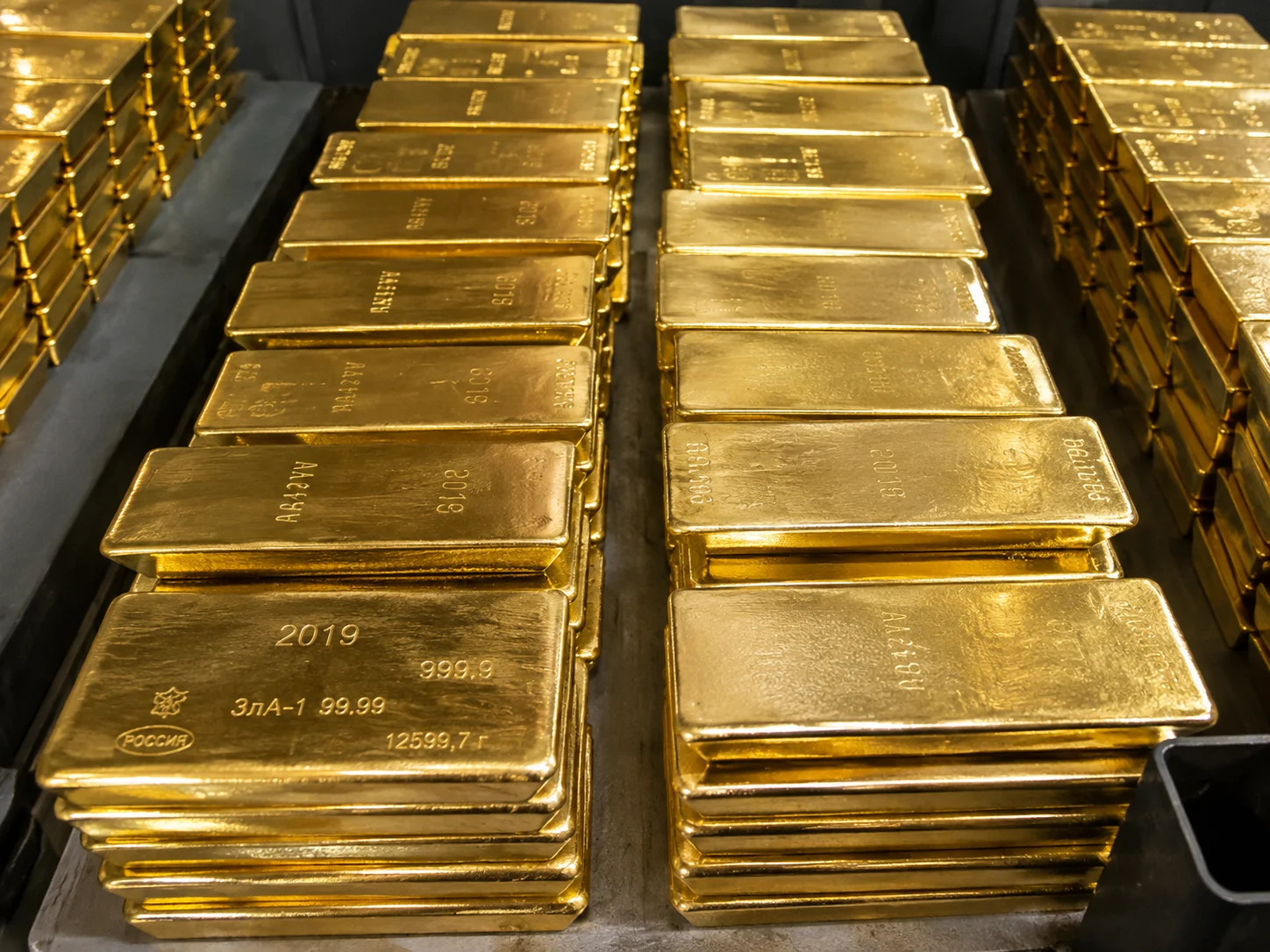
Looking to buy gold from Africa? SokoDolla connects buyers with genuine, licensed gold suppliers in Tanzania, the Democratic Republic of the Congo, Zambia, Kenya and Uganda, in the forms buyers actually purchase: gold bars and ingots, nuggets, doré bars and raw alluvial gold. We work on the buyer’s side, through supplier verification, independent assay, documentation review and transaction coordination, so the seller is proven before you pay.
Gold is the commodity in which documentation and provenance matter most. Purity is settled by independent assay, not by the seller’s declaration, and every consignment must carry valid mining or dealer licences, an export permit and the applicable revenue-authority or central-bank clearances. We verify each of these with the body that issued them before a buyer commits.
Send us the form, quantity and destination you need. We respond with a quotation, the verification scope and clear next steps.
Gold We Supply
Gold bars and ingots
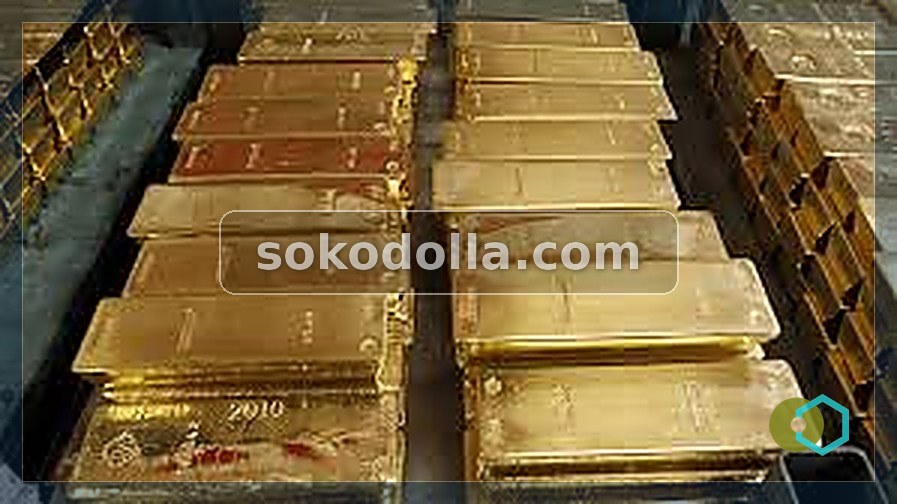
Cast and refined bars sold to a stated fineness, confirmed by independent assay.
Gold nuggets
Natural nuggets from small-scale mines. Purity varies, so every lot is assayed.
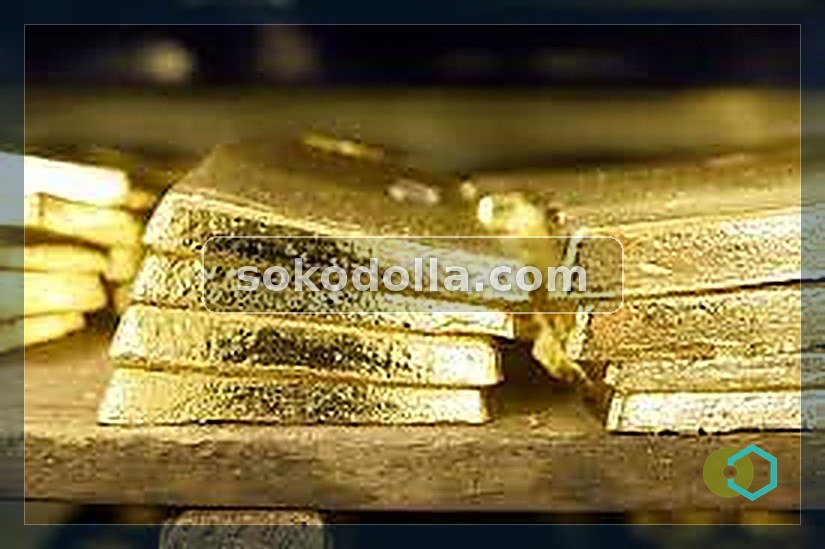
Gold doré bars
Semi-pure bars, typically 70–90% gold, cast at the mine for onward refining.
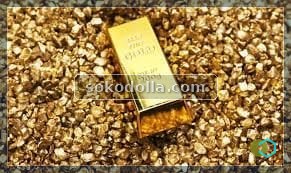
Raw alluvial gold
Gold grains and dust from alluvial workings, traded by weight and assay.
Representative photos of each form. Every offered lot is photographed, weighed and independently assayed before a buyer commits.
Specification & Commercial Terms
| Forms available | Doré bars · nuggets · ingots and cast bars · raw alluvial gold |
|---|---|
| Purity | Doré typically 70–90% Au; nuggets and raw gold lot-specific — confirmed by independent assay |
| Origin | Tanzania · DR Congo · Zambia · Uganda · Kenya |
| Quantity | From 1 kg trial lots; larger programmes by agreement |
| Pricing basis | LBMA reference gold price on assayed gold content, less refining and assay charges |
| Silver content | Credited separately where an accredited assay confirms it |
| Testing & assay | SokoDolla testers on site (XRF, acid and density tests), then fire assay at an accredited laboratory; buyer may also appoint its own assayer or refiner |
| Settlement | Against assay results, on terms agreed in the sale contract |
| Payment | Telegraphic transfer (T/T) or documentary letter of credit, as agreed with the buyer |
| Typical destinations | UAE (Dubai), India, Switzerland, Singapore, Turkey |
| Documentation | Full export documentation and responsible-sourcing checks |
Specifications are indicative and confirmed lot by lot. Final grade and quantity are governed by the independent assay at loading Port.
What We Verify Before You Commit
We verify the counterparty, applicable licences, authority to sell, product documentation and independent inspection requirements before a buyer commits. Every engagement follows the SokoDolla Verification Standard.
Forms of Gold We Source
Doré bars are the most commonly traded form: semi-pure alloy cast at the mine or a first-stage smelter, typically 70–90% gold with silver as the main balance, sold for onward refining and priced on assayed content.
Nuggets and raw alluvial gold come from artisanal and small-scale operations, principally in Tanzania, Uganda, Zambia and the eastern DRC. Purity varies lot by lot, so assay and provenance checks carry more weight here than with doré, and licensing of the dealer is the first thing we verify.
Ingots and cast bars are produced by local refiners and dealers to a stated fineness. Where a bar carries a refiner’s stamp, we confirm the refiner exists, is licensed, and that the stamp corresponds to the assay.
SokoDolla Gold Testing and Assay Inspection
SokoDolla has its own testers on the ground in Tanzania, the DR Congo, Zambia, Kenya and Uganda. They go to the gold — at the mine, the dealer, the vault or the warehouse — and test it before you commit: XRF analysis for the metal composition, acid (touchstone) tests for fineness, and density tests on the whole piece.
Every lot is weighed on calibrated scales, sealed with numbered seals and recorded on photo and video. A sample then goes for fire assay at an accredited laboratory, the reference method for gold content, with the certificate issued to you.
You receive a written report with the readings, weights and seal numbers. Testing can be booked on its own, for gold you have found yourself, or as part of a purchase through SokoDolla.
Pricing, Assay and Settlement
Gold is priced against the LBMA reference price applied to assayed gold content, less refining and assay charges and any agreed handling costs. Because the international price is transparent and gold is fungible, the commercial basis is straightforward once the assay is settled.
Assay is therefore the central commercial question. SokoDolla testers test the gold on site, and we arrange fire assay at an accredited laboratory with the certificate issued to the buyer. Buyers are welcome to appoint their own assayer or refiner in addition — settlement on the buyer’s own assay is normal practice and we support it.
Buying Gold from Tanzania, DR Congo, Zambia, Kenya and Uganda
Tanzania is East Africa’s largest gold producer and the most regulated market in the region. Gold is traded through licensed dealers and government mineral markets, exports need a permit issued through the Mining Commission, and rules introduced in 2024 require a share of gold intended for export to be offered to the Bank of Tanzania. A Tanzanian seller should hold a current mining or dealer licence that the Mining Commission will confirm.
Most artisanal gold in the DR Congo comes from the eastern provinces — Ituri, South Kivu and Maniema — where conflict-minerals rules apply. Buyers in the EU, the United States and the UAE are expected to follow the OECD Due Diligence Guidance for gold, and legitimate exports carry certification from the CEEC and, where applicable, an ICGLR regional certificate. We confirm the origin and export certification of every Congolese lot.
Zambia, best known for copper, also produces gold, chiefly from small-scale and artisanal operations in the North-Western Province and elsewhere, and the Bank of Zambia buys domestic gold for the national reserves. Mining and trading licences are issued under the Mines and Minerals Development Act 2015, exports need a permit from the Ministry of Mines and Minerals Development, and licences can be checked on the Zambia Mining Cadastre. We confirm the licence and the export permit with the issuing authority before a buyer commits.
Kenya is a regional trading and transit point for gold as well as a producer. Genuine Kenyan dealers hold a dealer’s licence under the Mining Act 2016, and the gold must have a documented origin. We confirm both for every lot.
Uganda has refining capacity around Entebbe and trades gold from across the region, so where the gold actually came from matters as much as where it is sold. Dealers and exporters are licensed under the Mining and Minerals Act 2022. We confirm the licence and trace the material back to its source before a buyer commits.
How to Tell a Genuine Gold Seller
A genuine gold seller has a licence that the issuing authority will confirm, accepts an independent assay at an accredited laboratory, prices against the LBMA reference, and exports through official channels with a permit and certificate of origin.
This is the work we do for buyers. We check the seller with the issuing authorities, arrange independent inspection and assay, and report in writing before payment.
Documentation Per Consignment
A complete document set is a condition of every shipment we support. Each item below is verified rather than accepted at face value.
- Mining, dealer and export licences
- Certificate of Origin issued by the competent authority
- Independent certificate of assay stating gold and silver content
- Export permit and applicable regulatory clearances
- Signed commercial invoice and packing documentation
- Chain-of-custody and responsible-sourcing records
Frequently Asked Questions
Does SokoDolla test and assay the gold?
Yes. SokoDolla testers on the ground in Tanzania, the DR Congo, Zambia, Kenya and Uganda test the gold on site with XRF, acid and density tests, weigh and seal the lot, and send a sample for fire assay at an accredited laboratory. You receive a written report and the laboratory certificate. Testing can also be booked on its own, for gold you have found yourself.
What forms of gold can you source?
Doré bars, gold nuggets, ingots and cast bars, and raw alluvial gold, from verified suppliers in Tanzania, the DR Congo, Zambia, Uganda and Kenya. Tell us the form, quantity and destination and we confirm availability and issue a quotation.
What is the minimum quantity?
Trial lots commonly start at 1 kg, with larger volumes arranged by agreement. The workable minimum depends on the supplier and the form of gold, and we confirm it when we quote.
How is gold priced?
Against the LBMA reference gold price applied to the assayed gold content, less refining and assay charges and any agreed handling costs. Silver content is credited separately where an accredited assay confirms it.
Can we appoint our own assayer?
Yes, and we recommend it. Buyers may appoint an independent assayer or refiner of their choosing, and settlement based on the buyer’s own assay is normal practice.
How do we know a gold seller is real?
We verify the company on the national registry, confirm mining, dealer and export licences with the issuing authority, establish authority to sell and legal title, and screen the counterparty and its directors.
What documentation is required to export gold from the region?
Requirements vary by country but generally include mining or dealer licences, an export permit, certificate of origin, assay certification and clearances from the relevant revenue authority or central bank. We confirm which apply and verify that each document is genuine.
Do you supply gold bars and nuggets, or only doré?
All forms: gold bars and ingots, nuggets, doré bars and raw alluvial gold, from verified suppliers in Tanzania, the DR Congo, Zambia, Kenya and Uganda. Purity is confirmed by independent assay on every lot, whatever the form.
Can I buy gold from Kenya or Uganda?
Yes, through licensed dealers with documented gold. We confirm the dealer’s licence with the issuing authority, trace the gold to its origin and arrange an independent assay before you pay.
Is it legal to buy gold from the DR Congo?
Yes, when it is exported through official channels with CEEC certification and the provenance checks expected under the OECD Due Diligence Guidance. Gold from the eastern provinces requires particular care, and buyers in the EU, the US and the UAE are expected to document their due diligence. We verify origin and export certification before a buyer commits.
Sourcing by Country & Current Pricing
Verified supplier pages by origin, plus how copper is priced against the LME today.
Copper Suppliers in Zambia
Verified Copperbelt exporters — cathodes, concentrate and wire.
Open pageCopper Suppliers in DRC
Verified Katanga exporters with CAMI and ICGLR checks.
Open pageCopper Price Today
LME basis, premiums and the concentrate price-per-ton formula.
Open pageExport Logistics
Dar es Salaam, Durban and Lobito corridors, Incoterms 2020.
Open pageOther Commodities We Source
Tell Us What You Need
Send us your specification, tonnage and delivery terms. We respond with a quotation, the verification scope, and clear next steps — no obligation.

